
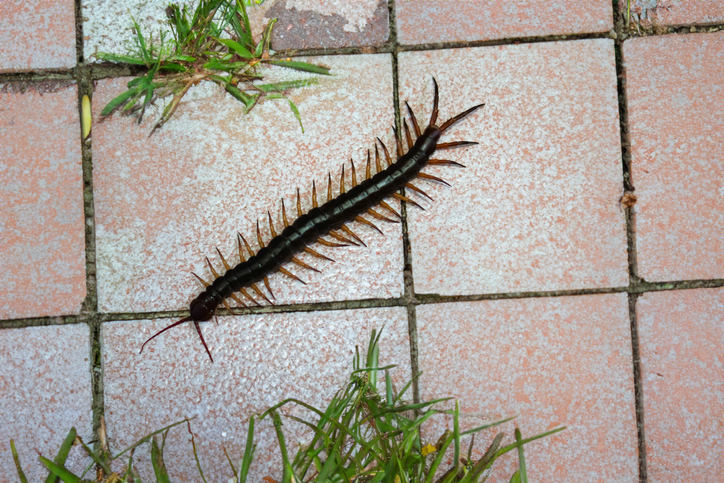
Environment Centipedes Thrive in
What Environment Do Centipedes Thrive in?
Centipedes thrive in environments that are moist and dark, such as under stones, leaf litter, logs, and in mulch. These conditions provide the necessary moisture to prevent dehydration and darkness for their nocturnal activities. In homes, they often seek out similar conditions in basements, bathrooms, and other damp areas. Understanding these habitats is key to effectively managing their presence.
Unveiling the Habitat: Where Centipedes Thrive
By delving into the world of centipedes, we can learn not only about their habitats and behaviors but also how to effectively and humanely manage their presence in our living spaces.
In this article, we’ll uncover the mysteries of the centipede’s preferred environment, why they sometimes venture into our homes, and how Orkin, a leader in pest control, approaches centipede management.
Discovering the Preferred Environment of Centipedes
Centipedes, often perceived with a shiver, are fascinating creatures that play a crucial role in the ecosystem. Understanding their preferred habitats is key to managing their presence in our homes and gardens.

Save $50
on your first recurring service today with code GET50
Moist and Dark: The Ideal Centipede Setting
Centipedes, with their numerous legs and swift movements, are often found in environments that are both moist and dark. This preference for humidity and low light is not just a random choice but a crucial aspect of their survival and behavior.

GET A PERSONALIZED QUOTE
To protect your home from pests, click here for a free pest control estimate. Our Orkin Pros will create a personalized pest treatment plan for your home or business
or Call (866) 249-0292
Why Moisture Matters – Moisture is a critical factor in the life of a centipede. These creatures lose water rapidly through their exoskeleton, making damp environments essential for their survival. Areas with high humidity levels provide the necessary moisture that centipedes need to prevent dehydration. This is why they are commonly found in soil, under rocks, within rotting logs, and in piles of leaves where moisture is retained.
The Role of Darkness – Darkness offers a safe haven for centipedes. These creatures are predominantly nocturnal, meaning they are active during the night. The darkness not only provides cover from predators but also creates an ideal hunting ground for them. Centipedes feed on a variety of smaller insects, and the cover of darkness allows them to ambush their prey more effectively.
Centipedes in Urban Settings – In urban environments, centipedes often find their way into homes, seeking out the same moist and dark conditions they prefer in nature. Basements, crawl spaces, and bathrooms are common centipede hotspots in a household. These areas often replicate the damp, dark conditions of their natural habitat, making them attractive to these pests.
Gardens and Outdoor Spaces – In gardens, centipedes play a beneficial role by feeding on other small insects and helping to keep pest populations under control. They are particularly drawn to garden beds, compost piles, and beneath stones where moisture is abundant and light is minimal.
Indoor Intrusion: When Centipedes Enter Our Homes
Centipedes, creatures of the moist and dark outdoors, sometimes find their way into our homes. This migration from their natural habitat to our living spaces is driven by their search for the same conditions they thrive in outside: moisture and darkness.
- Common Entry Points and Attractive Areas – Centipedes can enter homes through various small openings. Cracks in the foundation, gaps around windows and doors, and even through drain pipes are common entryways. Once inside, they gravitate towards areas that replicate their natural environment. Basements, crawl spaces, and bathrooms are particularly attractive to centipedes due to their typically higher humidity levels and lower light conditions.
- Food and Shelter – The primary reason centipedes venture indoors is the pursuit of food. Their diet mainly consists of other small insects, which are often found in homes. This makes our living spaces not just a shelter for centipedes but also a potential feeding ground. Additionally, the controlled climate of a home provides a consistent environment, free from the fluctuations and extremes of outdoor weather.
- Seasonal Patterns of Indoor Intrusion – Centipede sightings in homes often increase during certain times of the year. In periods of extreme outdoor conditions, such as dry spells or heavy rains, centipedes may migrate indoors in search of more favorable conditions. Similarly, as temperatures drop in the fall and winter, these pests seek refuge in the warmer environments found inside houses.
Orkin’s Approach to Centipede Control
At Orkin, we understand the nuances of centipede habitats and behaviors. Our approach to managing these pests is rooted in this understanding, ensuring effective and humane control methods.
Every home is unique, and so is every centipede situation. Orkin offers tailored solutions that address the specific needs of your home, focusing on areas where centipedes are most likely to thrive.
Prevention is key in controlling centipedes. Orkin’s experts can guide you in making your home less inviting to these pests. This includes controlling moisture, sealing entry points, and removing debris where centipedes might hide.
Call to Action: Trust Orkin for Centipede Control
If centipedes are making themselves at home in your space, don’t hesitate to call Orkin. Our team of experts is ready to provide effective, customized solutions for your centipede concerns.
By choosing Orkin, you’re not just getting a service; you’re becoming part of a family that cares deeply about your comfort and safety. Let us help you maintain a centipede-free home.
Frequently Asked Questions
What type of environment do centipedes prefer?
Centipedes thrive in environments that are moist and dark. They are commonly found in damp areas like under stones, in leaf litter, within logs, and in mulch. These conditions provide the necessary moisture and darkness they need for survival and hunting.
Why do centipedes need a moist environment?
Centipedes need moisture to prevent dehydration. They lose water rapidly through their exoskeleton, so a moist environment is crucial for their survival. This is why they are often found in damp, humid areas.
Do centipedes live in dry environments?
Centipedes generally avoid dry environments as they can quickly become dehydrated. They prefer and are more commonly found in areas with higher humidity and moisture.
Can centipedes be found in homes?
Yes, centipedes can enter homes, usually in search of the same moist and dark conditions they prefer outdoors. They are often found in basements, bathrooms, and other areas where humidity levels are higher.
What attracts centipedes to a home?
Centipedes are attracted to homes that offer moist and dark environments similar to their natural habitat. This can include areas with high humidity, leaks, or poor ventilation. They also come in search of food, such as smaller insects.
Are centipedes harmful to humans?
Centipedes can bite, but they are generally not harmful to humans. Their bites can cause discomfort, but they are not dangerous. It’s best to avoid handling centipedes to prevent any potential bites.
How can I prevent centipedes from entering my home?
To prevent centipedes from entering your home, reduce moisture in areas like basements and bathrooms, seal cracks and openings, and keep your home clean to reduce food sources for centipedes.
How does Orkin manage centipedes in homes?
Orkin manages centipedes by identifying and modifying the conditions that attract them, such as reducing indoor humidity and sealing entry points. Orkin provides customized solutions to effectively control centipede presence in homes.
Conclusion
Understanding the environment where centipedes thrive is not just a matter of curiosity, but a practical necessity for homeowners and nature enthusiasts. These creatures, while often misunderstood, play a vital role in our ecosystem. Their preference for moist and dark environments drives them into our homes, seeking the conditions they need to survive.
Orkin’s expertise in pest control offers a valuable resource in managing centipedes. Their approach, which combines understanding the creature’s behavior with practical control measures, ensures that any action taken is both effective and respectful of the natural world. Whether it’s through tailored solutions for individual homes or advice on preventive measures, Orkin stands ready to assist those dealing with centipede intrusions.

FIND YOUR LOCAL BRANCH
To protect your home from pests, click here for a free pest control estimate. Our Orkin Pros will create a personalized pest treatment plan for your home or business
or Call (866) 249-0292