
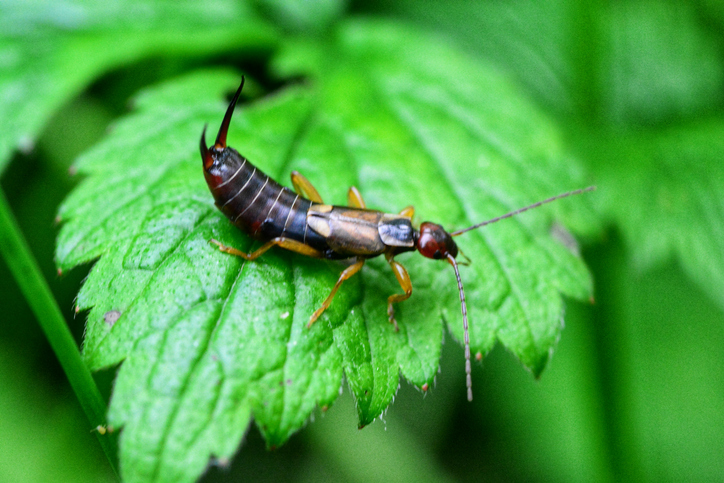
What Environment Do Earwigs Prefer?
What Environment do Earwigs Prefer?
Earwigs prefer environments that are moist, dark, and rich in organic matter. They thrive in areas with high humidity, such as gardens, mulch, and under stones or logs. Earwigs are nocturnal and seek dark, secluded places during the day, often hiding in cracks, under pots, or in piles of leaves. Understanding these preferences is key to controlling and preventing earwig infestations.
The Ideal Habitat: Moisture, Darkness, and Organic Matter
Earwigs, often misunderstood creatures, have unique environmental preferences that are crucial to understand for effective pest management. As experts in pest control, Orkin is dedicated to providing insightful information and tailored solutions for dealing with these insects.
Moisture: The Lifeline of Earwigs
Moisture is perhaps the most critical factor in an earwig’s habitat. These insects require a high level of humidity to thrive, as it is essential for their survival. They lose water rapidly, so they are constantly in search of moist environments to maintain their hydration. This search for moisture often leads them to areas such as:
- Gardens and Lawns – Earwigs are commonly found in gardens and lawns, especially where watering is frequent.
- Mulch and Compost – These areas retain moisture and provide an ideal habitat for earwigs.
- Under Pots and Stones – These spots often harbor moisture and offer a cool, damp refuge for earwigs during hot days.

Save $50
on your first recurring service today with code GET50
Darkness: A Nocturnal Preference
Earwigs are nocturnal, meaning they are most active at night. During the day, they seek out dark, secluded places to hide from predators and the heat. This preference for darkness leads them to:
- Cracks and Crevices – Small openings in walls, foundations, and under sidewalks are perfect hiding spots for earwigs.
- Piles of Leaves or Wood – These provide a dark, moist environment that is ideal for earwigs to rest and breed.
- Basements and Garages – In homes, these areas are often less disturbed and darker, making them attractive to earwigs.

GET A PERSONALIZED QUOTE
To protect your home from pests, click here for a free pest control estimate. Our Orkin Pros will create a personalized pest treatment plan for your home or business
or Call (866) 249-0292
Organic Matter: A Source of Food and Shelter
Earwigs are omnivores, feeding on a variety of organic matter. This includes:
- Decaying Plant Material – Gardens rich in decaying leaves and other plant matter are perfect feeding grounds for earwigs.
- Insects and Arthropods – Earwigs also feed on other small insects, which they often find in their natural habitats.
- Fruits and Vegetables – In gardens, earwigs may feed on soft fruits and vegetables, sometimes causing damage.
Understanding these environmental preferences of earwigs is crucial in managing their presence. By modifying these conditions, especially around your home, you can make your space less attractive to these pests. Reducing moisture, clearing organic debris, and sealing entry points are effective strategies in preventing earwig infestations.
Remember, Orkin is always here to help you with expert advice and effective solutions for all your pest control needs. If you’re dealing with an earwig problem or want to prevent one, don’t hesitate to reach out to us. Our team of professionals is equipped to provide you with the best strategies tailored to your specific situation. Contact Orkin today for a pest-free environment!
Indoor Intrusion: When Earwigs Come Inside
While earwigs prefer outdoor environments, they can venture indoors, especially during dry or cold seasons. Inside, they seek out similar conditions to their outdoor preferences – damp, dark areas like basements, bathrooms, and kitchens. Understanding this behavior is key to preventing and controlling infestations.
Orkin’s Approach to Earwig Control
At Orkin, we understand the unique challenges posed by earwigs. Our approach to controlling these pests involves:
- Inspection – Identifying the specific areas where earwigs are thriving.
- Customized Treatment – Implementing targeted treatments to address the infestation effectively.
- Prevention – Offering advice and solutions to prevent future infestations, focusing on reducing moisture and sealing entry points.
Dealing with earwigs can be challenging, but you’re not alone. Orkin’s expertise in pest control can help you manage these pests effectively. If you’re facing an earwig problem, don’t hesitate to call us for a consultation. Our trained professionals are ready to provide you with the best solutions tailored to your specific needs.
Frequently Asked Questions
Do earwigs cause damage to homes or property?
Earwigs typically do not cause structural damage to homes. However, they can damage soft-bodied plants in gardens and may feed on some household items like books or wallpaper if the conditions are damp enough.
How can I identify an earwig infestation?
Signs of an earwig infestation include seeing the insects themselves, often in large numbers, especially in moist and dark areas. You may also notice damage to plants, such as irregular holes in leaves or flowers.
Are earwigs attracted to light?
Yes, earwigs are attracted to light, which is why they are often found near porch lights or windows at night. This behavior can lead them to inadvertently enter homes.
Can earwigs survive in dry environments?
Earwigs prefer moist environments and struggle to survive in dry conditions. They can sometimes be found indoors during dry or hot periods in search of humidity.
What natural predators do earwigs have?
Earwigs have several natural predators, including birds, toads, and spiders. Encouraging these natural predators in your garden can help control earwig populations naturally.
Are earwigs harmful to humans?
Earwigs are not harmful to humans. They do not spread diseases, but they can be a nuisance when they invade homes.
What do earwigs eat?
Earwigs are omnivores, feeding on a variety of organic matter, including decaying plant material, small insects, and soft fruits and vegetables.
Can Orkin help with earwig infestations?
Yes, Orkin offers professional pest control services to effectively manage and prevent earwig infestations.
Conclusion
Understanding the preferred environment of earwigs is crucial for effective pest management. These insects seek out moist, dark, and organically rich areas to live and breed. By recognizing these preferences, you can take proactive steps to make your home and garden less inviting to earwigs. Simple measures like reducing moisture, clearing debris, and sealing entry points can significantly decrease the likelihood of an infestation.
Orkin is here to assist you in this endeavor. With our expertise in pest control, we can provide you with the knowledge and services needed to manage earwig populations effectively. Whether you need advice on preventive measures or professional intervention to handle an infestation, Orkin is your reliable partner in pest management.

FIND YOUR LOCAL BRANCH
To protect your home from pests, click here for a free pest control estimate. Our Orkin Pros will create a personalized pest treatment plan for your home or business
or Call (866) 249-0292