
How Common Are Spider Bites?
Are Spider Bites Common?
Spider bites are less common than many people think. Most spiders are not aggressive towards humans and only bite as a defense mechanism. The majority of spider bites are harmless, causing only minor symptoms like redness and itching. Severe reactions are rare and typically associated with specific species like the black widow or brown recluse. Understanding spider behavior and taking preventive measures can greatly reduce the likelihood of bites.
Understanding Spider Bites
Spiders are a topic that often evokes a mixture of curiosity and unease. These eight-legged creatures, found in almost every corner of the world, play a crucial role in our ecosystems, yet they are frequently misunderstood, particularly when it comes to the subject of spider bites. At Orkin, we believe in not only providing top-notch pest control solutions but also in educating our customers about the pests they encounter, including spiders. This article aims to shed light on the common question: Are spider bites common?
Spider Bites: Not as Common as You Might Think
The fear of spider bites is widespread, but the reality is that spider bites are much less common than many people believe. Understanding the behavior of spiders and the likelihood of bites is essential in addressing concerns and misconceptions.

Save $50
on your first recurring service today with code GET50

GET A PERSONALIZED QUOTE
To protect your home from pests, click here for a free pest control estimate. Our Orkin Pros will create a personalized pest treatment plan for your home or business
or Call (866) 249-0292
Spider Behavior and Human Interaction
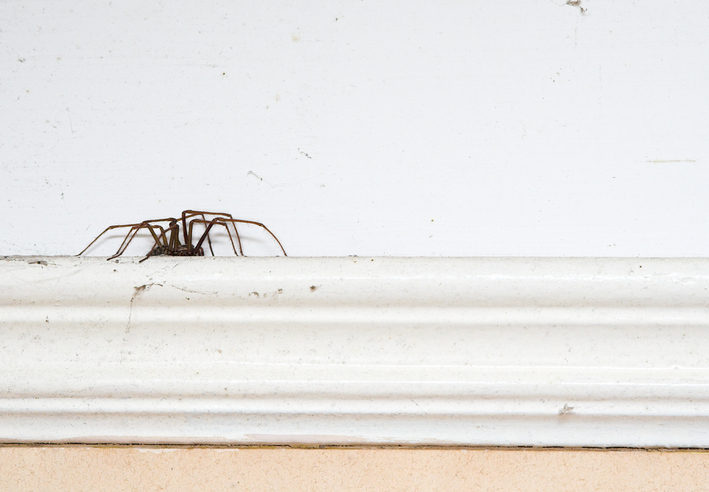
Spiders, by nature, are not aggressive towards humans. They typically bite only as a defense mechanism. Human encounters with spiders are usually accidental. Most spiders found in homes are harmless and prefer to avoid human interaction. Their primary focus is on hunting small insects, not engaging with people.
- Physical Limitations of Spiders – The anatomy of most spiders further reduces the likelihood of bites. Many spider species have fangs that are either too small or too weak to effectively puncture human skin. This physical limitation means that even if a spider attempts to bite, it may not be able to cause any actual harm.
- Types of Spiders and Biting Incidence – In regions like North America, there are only a few species, such as the black widow and brown recluse, that are capable of causing significant harm to humans. These species are relatively rare and tend to be reclusive, further reducing the chances of bites. The vast majority of spiders encountered in homes and gardens are harmless.
- Symptoms of Spider Bites – When spider bites do occur, the symptoms are often mild, including redness, itching, and minor swelling. Severe reactions are rare and usually associated with more dangerous species. It’s important to remember that severe symptoms following a suspected spider bite should prompt immediate medical attention.
Identifying a Spider Bite
Recognizing a spider bite is crucial for proper response and treatment. While many spider bites are harmless, identifying them correctly can help in taking the right steps, especially in cases involving more dangerous species.
Spider bites typically present certain common features, which can help in their identification:
- Bite Marks – One of the most telltale signs of a spider bite is the presence of two small puncture marks where the spider’s fangs have penetrated the skin. However, these marks may not always be visible.
- Redness and Swelling – Like many insect bites, spider bites often cause redness and swelling in the area. This is a natural reaction of the body to the bite.
- Pain and Itching – A spider bite can be accompanied by pain and itching. The intensity can vary depending on the individual’s reaction and the type of spider.
- Localized Symptoms – In most cases, the symptoms of a spider bite are localized to the area of the bite. However, the size of the affected area can vary.
Symptoms of More Serious Spider Bites
While most spider bites are harmless, bites from certain species like the black widow or brown recluse can cause more severe symptoms:
- Black Widow Bites – These can cause symptoms such as muscle cramps, difficulty breathing, severe abdominal pain, and excessive sweating. The bite site may have a target-like appearance.
- Brown Recluse Bites – These bites can lead to severe pain, fever, chills, body aches, and a blister or ulcer at the bite site. In some cases, the tissue around the bite can become necrotic.
It’s important to seek medical attention if you experience severe symptoms or if you suspect the bite is from a dangerous spider species. Also, if the bite doesn’t improve or worsens over a few days, consulting a healthcare professional is advisable.
Preventing Spider Bites with Orkin
Prevention is key in avoiding spider bites. Orkin recommends regular home inspections to identify and seal any potential entry points for spiders. Keeping your home clean and clutter-free reduces hiding spots for these eight-legged creatures.
At Orkin, we understand the importance of effective spider control. Our trained professionals use a combination of methods tailored to your specific situation. This may include identifying and removing potential spider habitats around your home, using safe and effective treatments to eliminate spiders, and providing ongoing monitoring and prevention tips.
When to Call Orkin for Spider Issues
If you’re experiencing a spider problem, don’t wait. Call Orkin for a consultation. Our experts will assess your situation, identify the type of spiders, and recommend a customized treatment plan. Remember, the best way to deal with spider bites is to prevent them in the first place.
Education is a powerful tool in pest control. Learn about the types of spiders common in your area and their behaviors. This knowledge can help you avoid unwanted encounters. Orkin’s website offers a wealth of information on spider identification and prevention.
At Orkin, we’re more than just a pest control company; we’re your partners in maintaining a safe and comfortable home environment. Whether you’re dealing with spiders or any other pests, we’re here to provide expert advice and effective solutions. Call us today for all your pest control needs.
Frequently Asked Questions
Are spider bites a frequent occurrence?
No, spider bites are not as common as many people believe. Most spiders prefer to avoid humans and will only bite if they feel threatened.
How can I tell if I’ve been bitten by a spider?
Spider bites can be identified by two small puncture marks, redness, swelling, and sometimes itching or pain. However, these symptoms can also be caused by other insect bites.
What should I do if I think I’ve been bitten by a spider?
For most spider bites, clean the area with soap and water and apply a cold compress to reduce swelling. If you experience severe symptoms or suspect a dangerous spider, seek medical attention immediately.
How can I prevent spider bites in my home?
Keep your home clean and clutter-free to reduce hiding spots for spiders. Seal cracks and openings to prevent spiders from entering. Regular pest control services, like those offered by Orkin, can also help manage and prevent spider infestations.
Can spiders bite through clothing?
Most spiders cannot bite through clothing. Wearing long sleeves and pants in areas where spider encounters are likely can provide an additional layer of protection against bites.
Do spiders bite people while they sleep?
It’s very rare for spiders to bite people while they sleep. Spiders usually bite as a defense mechanism, so unless they are provoked or trapped against the skin, they are unlikely to bite.
How can I differentiate a spider bite from other insect bites?
Spider bites are often distinguished by two puncture marks. However, without seeing the spider, it can be difficult to differentiate spider bites from other insect bites. If in doubt, consult a healthcare professional.
Conclusion
While the fear of spider bites is common, the reality is that such incidents are much less frequent than many assume. Understanding this can alleviate unnecessary anxiety and help focus on effective prevention strategies. Most spiders are not inclined to bite humans unless provoked, and their bites are usually harmless, causing only minor discomfort. However, it’s important to be aware of the few species that can pose a serious threat and to seek medical attention if you suspect a bite from one of these spiders.
By taking these proactive steps and partnering with Orkin, you can enjoy your home with the confidence that comes from knowing you’re well-protected against the unlikely event of spider bites. Whether you’re dealing with a current spider issue or looking to prevent future problems, Orkin is here to support you every step of the way.

FIND YOUR LOCAL BRANCH
To protect your home from pests, click here for a free pest control estimate. Our Orkin Pros will create a personalized pest treatment plan for your home or business
or Call (866) 249-0292