
Ticks in Your Home
Can Ticks Infest Homes?
Yes, ticks can infest homes. Although primarily outdoor pests, ticks can enter homes by hitching a ride on pets, clothing, or other items. Once inside, they seek out dark, hidden areas like baseboards, under furniture, and in linens to survive and reproduce. Ticks pose a health risk as they can carry diseases. Regular checks, especially on pets, and professional pest control services are recommended to manage and prevent tick infestations in homes.
The Threat of Ticks in Your Home
Ticks are often thought of as outdoor pests, but did you know they can become a problem inside your home too? Understanding the risks and knowing how to protect your home is crucial. At Orkin, we’re here to guide you through this.
Here, we delve into the world of ticks, shedding light on their ability to infest homes, the potential health risks they pose, and the effective strategies to prevent and control their presence indoors. Whether you’re a pet owner, an outdoor enthusiast, or simply someone concerned about maintaining a healthy living environment, understanding the nature of ticks in a domestic setting is essential.
Ticks 101: A Sneaky Indoor Threat
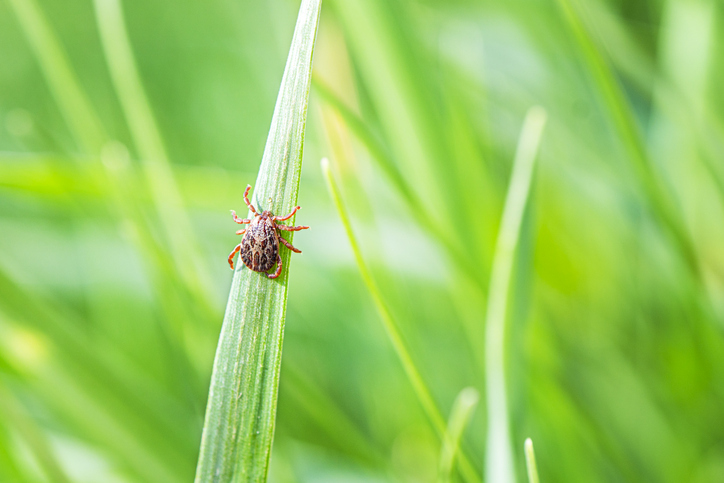
Ticks are small, blood-feeding parasites known for their presence in wooded or grassy areas. However, they can easily hitch a ride on pets or clothing and make their way into your home. Once inside, they can hide in cracks, crevices, and even in your upholstery.

Save $50
on your first recurring service today with code GET50
Pets as Tick Carriers
Dogs and cats that spend time outdoors, especially in wooded areas or tall grasses, are at a heightened risk of encountering ticks. These environments are ideal for ticks, providing them with ample opportunities to attach to a passing animal. Once a tick latches onto your pet, it can easily be transported into your home.
The Challenge of Spotting Ticks on Pets
Detecting ticks on pets can be difficult. Ticks are small and can easily hide in the dense fur of animals. They tend to attach themselves to less visible areas on a pet’s body, such as the ears, under the collar, between the toes, and under the tail. Regular grooming and tick checks are essential, especially after your pet has been outside in areas known for ticks.

GET A PERSONALIZED QUOTE
To protect your home from pests, click here for a free pest control estimate. Our Orkin Pros will create a personalized pest treatment plan for your home or business
or Call (866) 249-0292
Ticks’ Survival and Reproduction on Pets
Once inside, ticks can remain on your pet for several days to a week, depending on their life stage and species. During this time, they feed on your pet’s blood and can grow significantly in size. Female ticks may also lay eggs while attached to a pet, leading to a rapid increase in the tick population in your home.
After feeding, ticks often detach from the host to find a suitable place to molt or lay eggs. In a home environment, this means they can end up in various hidden spots – under furniture, in carpets, or in cracks and crevices. This behavior makes it challenging to locate and eliminate ticks once they’ve detached from a pet.
Ticks’ Outdoor Habitats
In their natural outdoor habitats, ticks thrive in environments that provide them with the necessary conditions for survival and reproduction. Tall grasses, dense bushes, and wooded areas offer humidity, shade, and ample opportunities for ticks to find hosts. These environments allow ticks to easily latch onto animals or humans that brush past.
When ticks hitch a ride into your home on pets, clothing, or other means, they encounter a very different environment. Despite the lack of natural vegetation and humidity, ticks are surprisingly resilient and can adapt to indoor conditions. They seek out microenvironments within your home that mimic their natural habitats in terms of humidity and darkness.
Preferred Indoor Hideouts
Once inside, ticks look for secluded and undisturbed areas where they can hide and lay eggs. Common hiding spots include:
- Baseboards – The small gaps and relative darkness provide an ideal hiding spot for ticks.
- Under furniture – Spaces beneath sofas, beds, and cabinets offer a safe haven for ticks to reside and reproduce.
- In linens – Bedding, towels, and clothing that are not regularly cleaned or disturbed can harbor ticks.
- Cracks in walls or floors – Small crevices can offer an ideal microhabitat for ticks, especially in older homes.
Secondary Carriers: Wildlife and Rodents
It’s not just pets that can bring ticks into your home. Wildlife like squirrels, raccoons, or rodents that find their way into your home can also be carriers of ticks. These animals can introduce ticks into your attic, basement, or crawl spaces, areas that are often overlooked but can become hotspots for tick activity.
Ticks are not just a nuisance; they can be a health hazard. They are known carriers of diseases like Lyme disease and Rocky Mountain spotted fever. An infestation in your home increases the risk of you or your family members getting bitten and potentially contracting these illnesses.
Signs of a Tick Infestation
Keep an eye out for these signs:
- Unexplained tick bites
- Seeing ticks on pets or around the house
- Pets scratching more than usual
Customized Treatment Plans
At Orkin, we understand that effective tick control requires a comprehensive and customized approach. Our treatment plans are designed to target ticks at every stage of their lifecycle, ensuring a thorough resolution to the infestation. Here’s a deeper look into how we develop and implement these customized treatment plans.
The first step in creating an effective treatment plan is a thorough inspection of your home. Our trained professionals conduct a detailed assessment to identify the extent of the tick infestation, the species of ticks present, and the areas of your home that are affected. This inspection is crucial as it informs the specific strategies and treatments that will be most effective for your unique situation.
Based on the inspection findings, we focus on treating the interior of your home, where ticks may be hiding and reproducing. This includes:
- Applying safe and effective acaricides in areas where ticks are found or likely to hide, such as baseboards, under furniture, and in cracks and crevices.
- Using specialized equipment to reach deep into carpets and upholstery, where ticks and their eggs may be lurking.
- Advising on and assisting with the treatment of pet resting areas, as pets are often the carriers of ticks into the home.
Treating the exterior of your home is equally important in a comprehensive tick control plan. This involves:
- Applying treatments to the perimeter of your home to create a barrier that prevents ticks from entering.
- Treating areas of your yard where ticks are likely to live, such as tall grass, bushes, and leaf litter.
- Advising on landscaping changes that can reduce tick habitats, such as keeping grass short and removing leaf debris.
Ticks have a complex lifecycle, including egg, larva, nymph, and adult stages. Our treatment plans are designed to target ticks at each of these stages. This might involve using different types of treatments at different times to ensure that ticks are eradicated at every stage of their development.
A single treatment is often not enough to completely eliminate a tick infestation, especially in areas with high tick populations. We provide ongoing monitoring and maintenance services to ensure that the tick problem is fully resolved. This includes follow-up inspections and treatments as needed, as well as advice on long-term prevention strategies.
Why Choose Orkin for Tick Control?
With Orkin, you’re not just getting a service; you’re getting peace of mind. Our experts are trained to handle tick infestations safely and effectively, ensuring your home stays comfortable and healthy.
Ready to Tackle Ticks?
Don’t let ticks take over your home. Contact Orkin today for a comprehensive solution to your tick problem. Our team is ready to help you reclaim your space from these unwanted guests. Call us now for a consultation and take the first step towards a tick-free home.
Frequently Asked Questions
Can ticks live and reproduce inside a home?
Yes, ticks can live and reproduce inside homes. They typically enter on pets or clothing and find dark, hidden areas like under furniture, in linens, or in cracks to survive and lay eggs.
What attracts ticks to a home?
Ticks are often brought into homes on pets or people who have been in tick-infested outdoor areas. They are attracted to warm, humid environments and can be drawn to the carbon dioxide exhaled by humans and pets.
How can I tell if I have a tick infestation in my home?
Signs of a tick infestation include seeing ticks on pets or around the house, finding tick bites on family members, and noticing pets scratching more than usual.
Are ticks in the home a health risk?
Yes, ticks can be a health risk as they can carry diseases like Lyme disease and Rocky Mountain spotted fever. Prompt removal and control are important to reduce the risk of disease transmission.
How can I prevent ticks from infesting my home?
Prevent ticks by regularly checking and treating pets for ticks, keeping your yard clean and trimmed, vacuuming your home frequently, and using tick repellents when in tick-prone areas.
What should I do if I find a tick in my home?
If you find a tick in your home, carefully remove it with tweezers, ensuring to get the entire tick out. Clean the bite area and your hands afterward. Consider contacting a pest control professional if you suspect an infestation.
Can ticks infest any area of a home?
Ticks can infest various areas of a home, especially those that are dark and less disturbed, such as basements, closets, and under furniture.
How do I safely remove a tick from a pet or family member?
Use fine-tipped tweezers to grasp the tick as close to the skin’s surface as possible. Pull upward with steady, even pressure. After removal, clean the bite area and your hands with rubbing alcohol or soap and water.
Conclusion
The presence of ticks in homes is a concern that should not be taken lightly. These small but potentially dangerous pests can infiltrate our living spaces, bringing with them a range of health risks. However, with the right knowledge and approach, managing and preventing tick infestations in your home is entirely achievable.
At Orkin, we are committed to providing you with the most effective solutions for tick control. Our expert team is equipped with the knowledge, tools, and experience to tackle any tick problem, ensuring your home remains a safe and comfortable environment for you and your family. We understand the importance of a tailored approach, and our customized treatment plans are designed to target ticks at every stage of their lifecycle, both inside and outside your home.

FIND YOUR LOCAL BRANCH
To protect your home from pests, click here for a free pest control estimate. Our Orkin Pros will create a personalized pest treatment plan for your home or business
or Call (866) 249-0292